Late Game Walkthrough for Chop Chop Inc
Rare timber empires, maxed cities, and the overengineered prestige that makes Furnox nervous.
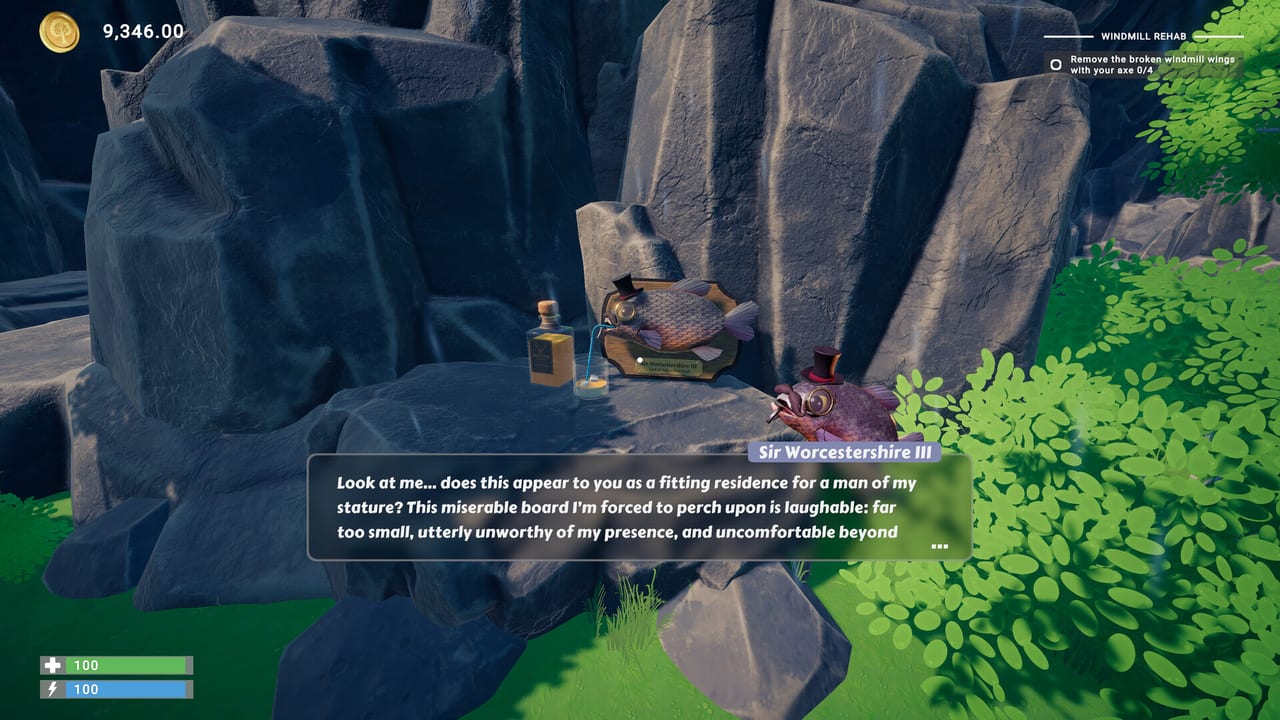
Late game in Chop Chop Inc is when your yard stops feeling like a startup shed and starts feeling like the furniture conglomerate Furnox Corp wished they had fired slightly later. NullRef Entertainment and rokaplay select built the final act around rare stone, metal, and electric trees, hands-free automation, furniture set bonuses at scale, city max projects, and overengineered prestige crafts that Steam marketing highlights with a straight face. The Windows PC release launched August 7, 2026 at roughly €12.99 / $12.99, single-player only, currently holding Very Positive Steam reviews near 86% of early user scores.
This chapter assumes you cleared Mid Game Walkthrough criteria: sawmills fed, titanium or better axes online, city tier two funded, and converters running with minimal babysitting. If not, backtrack before chasing neon valleys.
Late-game victory conditions versus Furnox
Narrative goals stay economic: ship high-value sets, upgrade the city to its practical ceiling, and present your brand as the alternative Furnox satirizes in dialogue. Mechanical goals overlap:
- Stable automation from forest gate to outbound pallet.
- Profitable farms for exotic tree types on Trees Tier List.
- Set bonus contracts completed with margin on Furniture Tier List.
- HQ and city projects that unlock final customer tiers on City Upgrades.
- Optional overengineering flex on prestige SKUs per Overengineering.
There is no separate raid boss — Furnox is a measuring stick, not a combat encounter.
Rare trees: stone, metal, electric
Late biomes gate on diamond and tech axe tiers plus story or city flags from Unlock Regions. Each exotic type feeds different machine chains documented in Materials Processing and How to Find Rare Trees:
| Tree family | Processing output | Crafting role |
|---|---|---|
| Stone | Blocks, sturdy frames | Heavy furniture, foundation upgrades |
| Metal | Ingots, fasteners | Machines, hybrid sets, bought-part substitutes |
| Electric | Wiring, capacitors | Advanced saws, distribution tech, prestige gadgets |
Farm in batch sessions with meals and trained stats from How to Cook and Boost Stats and Character Stats and Exercise. Half-finished exotic stockpiles clog yards when city contracts still demand walnut sets.
Full automation layout
Late game expects optimized lines: hopper-fed saws, refineries for walnut and exotic inputs, assembly converters, and NPC couriers on tested routes from How to Automate and NPC Helpers.
Recommended principles:
- One bottleneck at a time — fix plank starvation before adding a fourth converter.
- Separate exotic refining from common pine lines to prevent mixed jams.
- Stage shipping pallets away from raw intake so set pieces are not mistaken for firewood.
- Personal role shifts to scout and repair — you chop less, optimize more.
Use Production Checklist as a regression test after every layout overhaul.
Set bonuses at city scale
Late contracts assume you can deliver four-plus matching pieces under timers. Stock uniform plank bins labeled by tier; pre-craft accent parts that repeat across sets. How to Craft Sets details blueprint matching; late game adds parallel set lines — one walnut dining line, one electric prestige line — so mailbox variety does not zero your specialized stock.
When How to Sell and Ship distribution upgrades arrive, align truck schedules with converter output rates. Missing a departure window hurts more at late margins than early pine desks.
City max and HQ prestige
Fund remaining urban projects on HQ and City when automation cash exceeds sensible machine duplication. Max city tiers unlock final customers, vendor discounts for Buying Components, and narrative closure beats about your empire’s visibility.
Do not max the city while plank throughput stalls — urban prestige without supply is a showroom empty of inventory.
Overengineering as end-game flex
Optional blueprint slots let you jam extra components into creations for humor and sale value. Late game is when bought parts are affordable enough to experiment without bankrupting mid-tier operations. Wooden PCs, absurd gym sets, and hybrid stone-metal chairs become portfolio pieces, not survival crafts.
Balance overengineering against achievement hunting on Steam Achievements and contract deadlines — optional parts consume inputs set bonuses might need tonight.
Money loop at the top
Profits should compound: exotic sets fund city tranches, city tranches fund vendor discounts, discounts reduce bought-part drag on overengineered shipments. If cash flatlines, audit How to Make Money for fire-sale habits — late game loses more margin selling A-tier leftovers than pausing one exotic farm day.
Exploration and secrets in late saves
Return to earlier zones with movement upgrades and talk to NPCs again — writers often gate new dialogue behind late flags. Sweep Secret Locations for duck collectibles and optional humor achievements without chasing unverified shrine rumors.
Demo boundaries
The Steam demo ends before true late-game biomes and max city tiers. Use this page after purchasing the released full game; demo players should treat it as a planning doc for launch week goals on Steam Launch Recap.
Late-game exit checklist
Converters run ten real-time minutes without input starvation. Diamond and tech axes maintain crimson and electric routes. City projects within one tier of maximum practical customer access. At least one exotic set line profitable on spreadsheet math. Furnox dialogue acknowledges your scale. Optional: begin achievement cleanup on Walkthrough Hub linked pages.
What comes after
Post-launch patches may add furniture, rebalance exotic trees, or extend city tiers — watch Patch Notes first. When content stabilizes, revisit Tier List Hub for efficiency reruns and Review for whether late-game pacing matches the Very Positive launch sentiment.
Late game is Chop Chop Inc paying off the promise of its loop: chop, process, craft, distribute, automate — then overbuild until Furnox updates their LinkedIn.
Frequently Asked Questions
Quick answers to the most common Chop Chop Inc questions.
When should I start the late game chapter?
After mid-game automation runs reliably, titanium or better axes clear hardwood routes, and city tier two or higher is funded.
Are electric trees required to finish the story?
Late contracts and city tiers expect exotic materials. Exact gates vary by build, but electric and stone lines are core late progression, not optional fluff.
Should I max the city before automating everything?
Automate plank and set throughput first. City max projects are expensive; fund them when cash exceeds your next sensible machine upgrade.
Does the demo include late-game zones?
No. Demo content stops in early and mid slices. Late biomes and max city tiers require the purchased August 2026 release.
How does late game tie to Furnox Corp?
Narrative and contract flavor reference rivalry milestones. Gameplay remains crafting and shipping at scale rather than direct boss fights.