Buying Components in Chop Chop Inc
Vendor parts for recipes you cannot gather — and when paying beats farming every bolt.
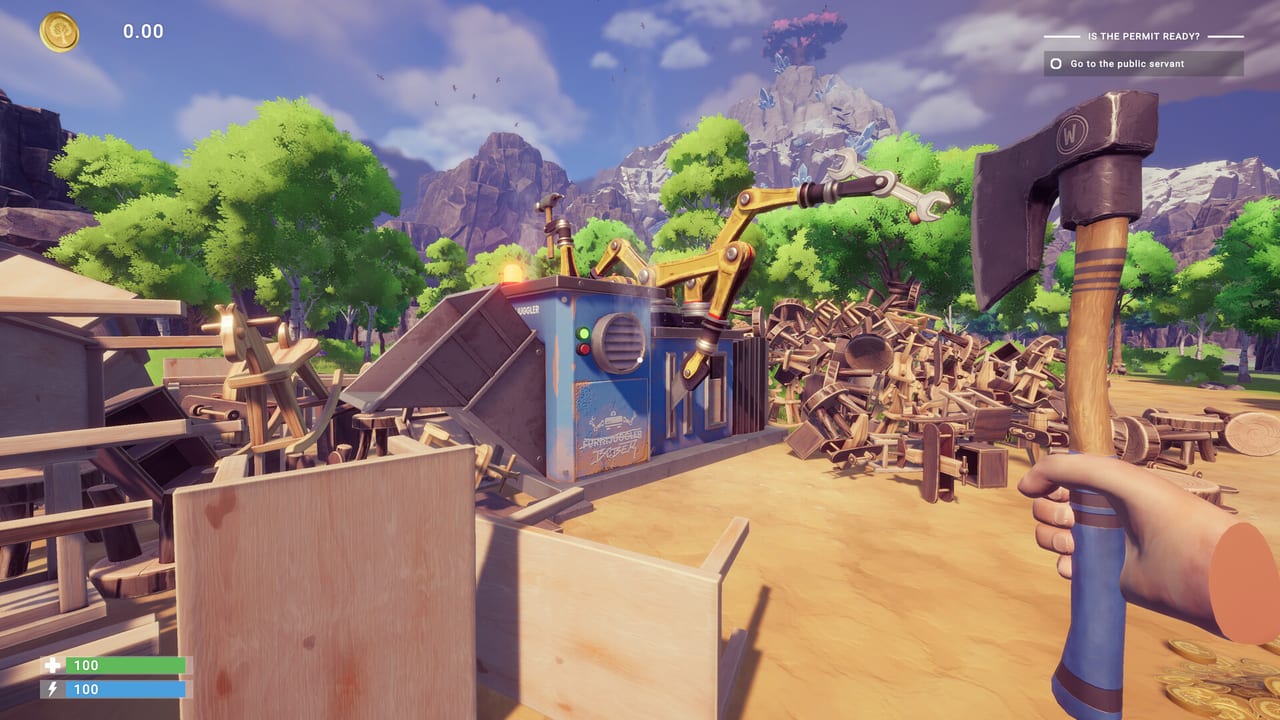
Chop Chop Inc is built around vertical integration: chop trees, process lumber, craft furniture, dominate Furnox Corp. NullRef Entertainment also acknowledges reality on Steam — you buy components you cannot chop or craft yourself. Those purchases fund stat gear, jam optional parts into overengineered creations, and keep production lines moving when a rare input would otherwise idle your yard for hours. The game released August 7, 2026 on Steam for Windows PC at roughly €12.99 / $12.99, single-player only, published by rokaplay select.
This guide explains the buy-components system, inventory economy, and decision math versus farming stone, metal, and electric tree outputs yourself. Cross-link Materials Processing for conversion chains, Blueprints for recipe gates, and How to Make Money for contract margins that fund shopping trips.
What “buy components” means in practice
Store copy describes buying parts you cannot chop or craft — metal fasteners, electronic subcomponents, specialty fittings, or vendor-only ingredients tied to city progression. These are not cheat codes; they are gold sinks with time savings. You still earn cash from furniture; you spend a slice at city vendors or NPC shops unlocked through HQ and City milestones.
Typical uses:
- Blueprint completion when a recipe lists a bought slot alongside planks you produce locally.
- Overengineering optional slots on prestige crafts like the wooden PC or weight bench — see Overengineering.
- Character progression when exercise gear needs parts faster than your smelter line produces them — see Character Stats and Exercise.
- Emergency unblocking when a contract deadline matters more than perfect self-sufficiency.
When buying beats farming
| Factor | Favor buying | Favor farming / processing |
|---|---|---|
| Contract timer | Rush order due tonight | Flexible mailbox slot |
| Biome access | Electric trees still locked | Diamond axe + route online |
| Machine idle cost | Converter starved, NPCs waiting | Hopper full, personal time free |
| Unit price after city tier | Vendor discount unlocked | Bulk smelter output cheap |
| Inventory pressure | Need one bolt, not fifty | Stockpiling for ten builds |
Run the comparison whenever you unlock a new city tier — vendor inventories and discounts shift after urban projects on City Upgrades.
Inventory economy and cash flow
Components consume inventory slots and working capital like any other material. Hoarding “just in case” without labeled crates causes misfills on set contracts tracked in the Furniture Catalog. Recommended habits:
- Maintain one bought goods crate within ten steps of assembly benches.
- Set a cash reserve equal to two rush contract payouts before bulk buying.
- Sell excess firewood or low-tier furniture before shopping sprees — liquidity matters as much as tree access.
- Revisit margins after Patch Notes change vendor pricing.
Players who under-invest in buying during mid-game sometimes overbuild smelters they use once per week. Players who over-buy early drain cash needed for S-tier sawmills on the Upgrades Tier List.
Leveling character versus jamming creations
Steam messaging highlights two playful motives: level your character with gear you cannot craft from pine alone, and jam extra components into creations for humor and sale value. Treat both as economic choices:
- Stat gear purchases pay back through fewer swings and shorter hikes — pair with How to Cook and Boost Stats.
- Overengineered optional parts raise sale price on prestige items but consume bought inputs that might finish a city set bonus instead.
If one optional bolt completes a four-piece set shipment, skip the joke PC mod until the truck leaves.
Integration with processing and rare trees
Stone, metal, and electric trees eventually supply many inputs locally via Materials Processing and Tree Types. Buying remains relevant late game for niche parts with low daily demand — not every exotic drop warrants a dedicated smelter line.
Late-game players often farm bulk ore and buy precision parts (wiring harnesses, calibrated brackets) that recipes consume one at a time. That hybrid model matches Furnox satire: you look self-sufficient while secretly shopping for screws.
Shopping trip workflow
- Review active mailbox orders and blueprint queues.
- List missing bought slots separately from chop-able materials.
- Walk or courier to city vendors after Unlock Regions gates permit travel.
- Purchase only quantities for current builds plus one spare stack for common fasteners.
- Return via the same path NPC couriers use — if you trip on foot, fix layout before assigning helpers on NPC Helpers.
Cook before long vendor loops; stamina drain on shopping trips is real in first-person logistics sims.
Demo versus full release
The demo teases vendor buys on a smaller catalog. The released full game expands city tiers, component variety, and ties to redesigned UI furniture lines mentioned in launch messaging. Demo Hotfix 1.0.1 (April 1, 2026) fixed stability issues, not shop inventories — expect different stock between March trial depots and August retail builds.
Common mistakes
Refusing to buy anything on principle. Self-sufficiency is a flex, not a requirement; missed deadlines cost more than vendor markup.
Buying before reading blueprint optional slots. Confirm which parts are mandatory versus overengineering fluff.
Mixing bought crates with raw logs. Sorting errors delay set bonuses and waste premium parts.
Ignoring city discounts. Fund urban projects before paying list price for bulk bolts.
Buying components is Chop Chop Inc admitting even revenge-driven lumber barons visit hardware stores. Use purchases as a timer tool, not a crutch — and return to farming when routes and machines make local production cheaper.
Frequently Asked Questions
Quick answers to the most common Chop Chop Inc questions.
Where do I buy components in Chop Chop Inc?
City vendors and NPC shops unlock through HQ and city progression. Exact locations vary by build; look for vendor markers after urban upgrade milestones.
Can I finish the game without buying anything?
Many recipes allow full self-sufficiency eventually, but buying saves time on rush contracts and optional overengineering parts.
Do bought parts work with furniture set bonuses?
Yes when blueprints require them for set pieces. Optional joke parts may not count toward set tags — read order requirements before shipping.
Are component prices fixed?
Expect balance patches post-launch. Compare vendor quotes after major updates on Patch Notes before bulk stocking.
Does the demo include the full buy system?
The demo shows early vendor buys on a limited catalog. Full release expands inventory tiers tied to city growth.